

Bringing home a Boxer puppy is exciting, but it also means committing to consistent care, training, and routine. Boxers are energetic, intelligent, and affectionate dogs that do best with structure, positive reinforcement, and plenty of attention.
Introduction
If you want your Boxer puppy to grow into a healthy, well-behaved adult, the first months are especially important. Good food, early socialization, regular vet visits, and a steady training plan all help set the foundation for a happy life.
Feed the Right Way
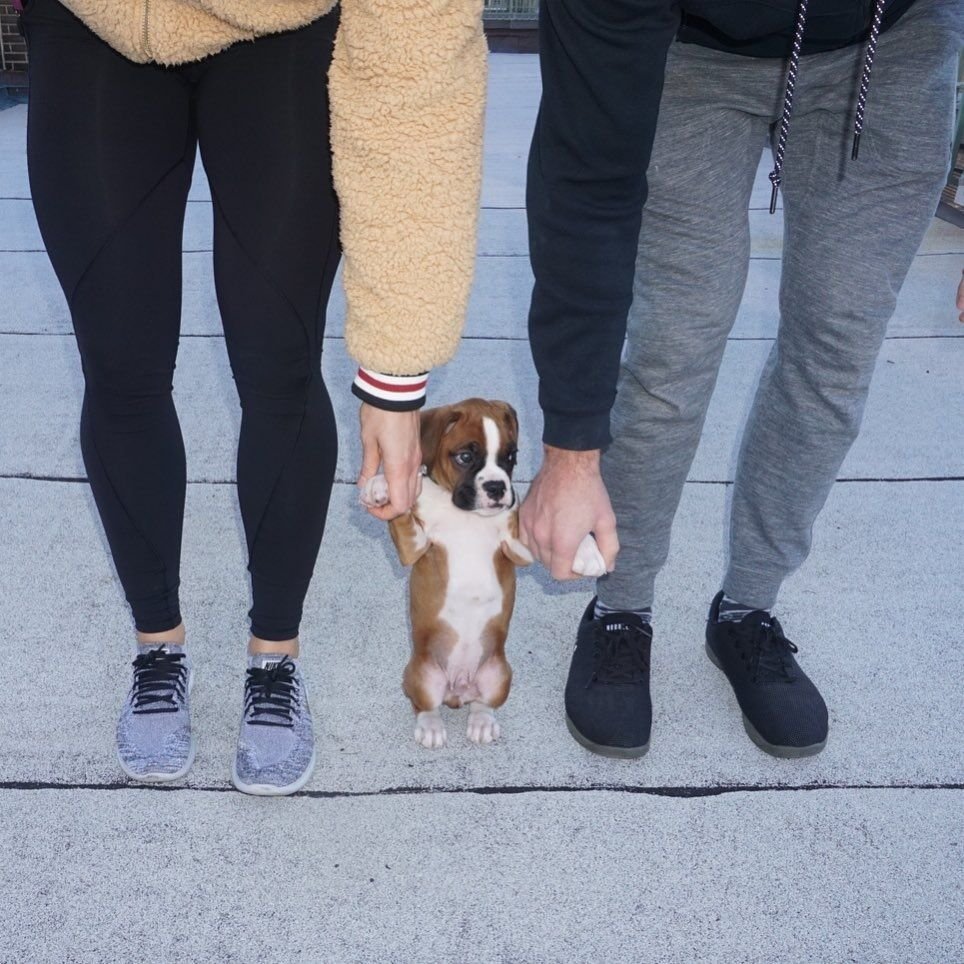
Boxer puppies need frequent meals because they are growing quickly and have high energy needs. A common guideline is feeding them 3 to 4 times per day, using high-quality puppy food designed for growth.
Keep meal portions age-appropriate and avoid sudden food changes, since puppies can have sensitive stomachs. Fresh water should always be available, and feeding at consistent times makes house training easier too.
Build a Routine
Puppies thrive on predictability, and Boxer puppies are no exception. Set a daily rhythm for feeding, potty breaks, play, training, rest, and bedtime so your puppy knows what to expect.
Take your puppy outside first thing in the morning, after meals, after naps, after playtime, and before bed. This routine not only supports housetraining but also helps reduce accidents and stress.
Start Training Early
Boxer puppies are smart and eager to learn, which makes early training a big advantage. Focus on basic cues like name recognition, sit, stay, come, and loose-leash walking, and use treats and praise to reward good behavior.
Crate training can be especially helpful because it gives your puppy a safe space and supports housetraining. Keep sessions short, positive, and frequent, and avoid punishment when mistakes happen.
Socialize With Care
Early socialization helps your Boxer puppy grow into a confident adult dog. Introduce your puppy to new people, sounds, surfaces, and gentle, vaccinated dogs in a safe and controlled way.
The goal is to build positive experiences, not overwhelm your puppy. Short, calm exposures work better than forcing long interactions, especially while your puppy is still getting used to the world.
Exercise and Play
Boxers are active dogs that need regular exercise, but puppies should not be overworked. Short play sessions, light walks, and mentally engaging games are better than long or intense workouts while bones and joints are still developing.
Good options include fetch, tug, scent games, and brief training sessions. These activities burn energy while also strengthening your bond and improving focus.

Grooming Basics
Boxer coats are short and easy to manage, but grooming still matters. Regular brushing helps remove loose hair and spread natural oils, while nail trimming, ear cleaning, and tooth brushing support overall health.
Avoid over-bathing, since Boxers can have sensitive skin and frequent baths may dry out their coat. Use a gentle dog shampoo and watch for any signs of irritation or dryness.
Vet Care and Prevention
Routine veterinary care is essential for Boxer puppies. Vaccinations, deworming, and heartworm prevention should be kept on schedule, and your vet can guide you on the right timeline for your puppy’s age and health needs.
It is also important to monitor growth, appetite, stool quality, and behavior, because changes can signal a health issue. Regular checkups help catch problems early and keep your puppy on track.
Create a Safe Home
Puppy-proofing your home protects both your Boxer and your belongings. Remove toxic plants, secure cords, store food safely, and keep small objects out of reach so your puppy does not swallow something dangerous.
A crate or playpen can help when you cannot supervise directly. That gives your puppy a safe area to rest while limiting opportunities for chewing, climbing, or getting into trouble.
Common Mistakes
One common mistake is expecting too much too soon. Boxer puppies are playful and easily distracted, so short, consistent sessions are more effective than long training marathons.
Another mistake is skipping routine exercise and socialization, which can lead to excess energy and poor manners later. Harsh corrections are also unhelpful; positive reinforcement works much better for this breed.
Conclusion
Caring for a Boxer puppy comes down to structure, patience, and consistency. With proper feeding, early training, daily exercise, grooming, and regular vet care, your puppy can grow into a healthy and well-mannered companion.
The more you invest in good habits now, the easier life with your Boxer will be later. A calm routine and positive reinforcement go a long way with this energetic, loyal breed.
Would you like this turned into a more polished blog format with an SEO title, meta description, and headings?
Hi, this is a comment.
To get started with moderating, editing, and deleting comments, please visit the Comments screen in the dashboard.
Commenter avatars come from Gravatar.